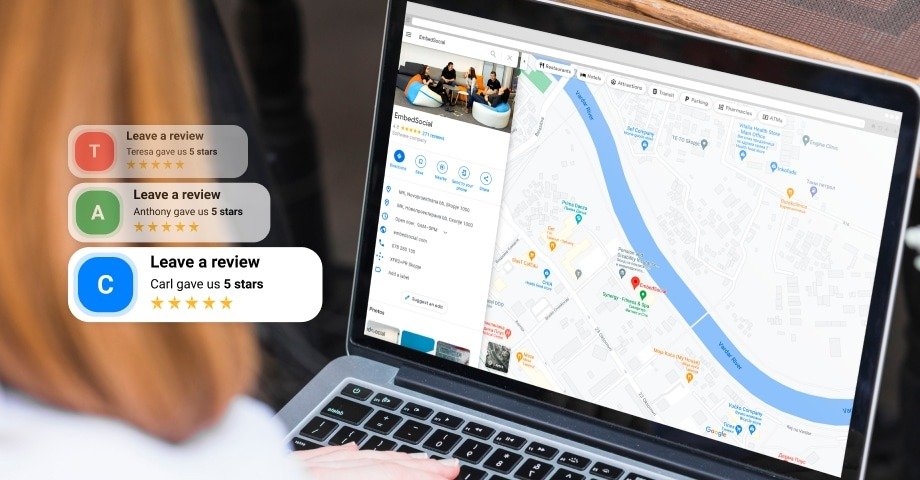


When Google Maps rankings drop, it is tempting to change categories, add keywords to the business name or rewrite every page immediately. That can hide the original cause. A more useful approach is to establish what changed, where the decline occurred and whether actual enquiries fell with it.
Confirm the drop is real
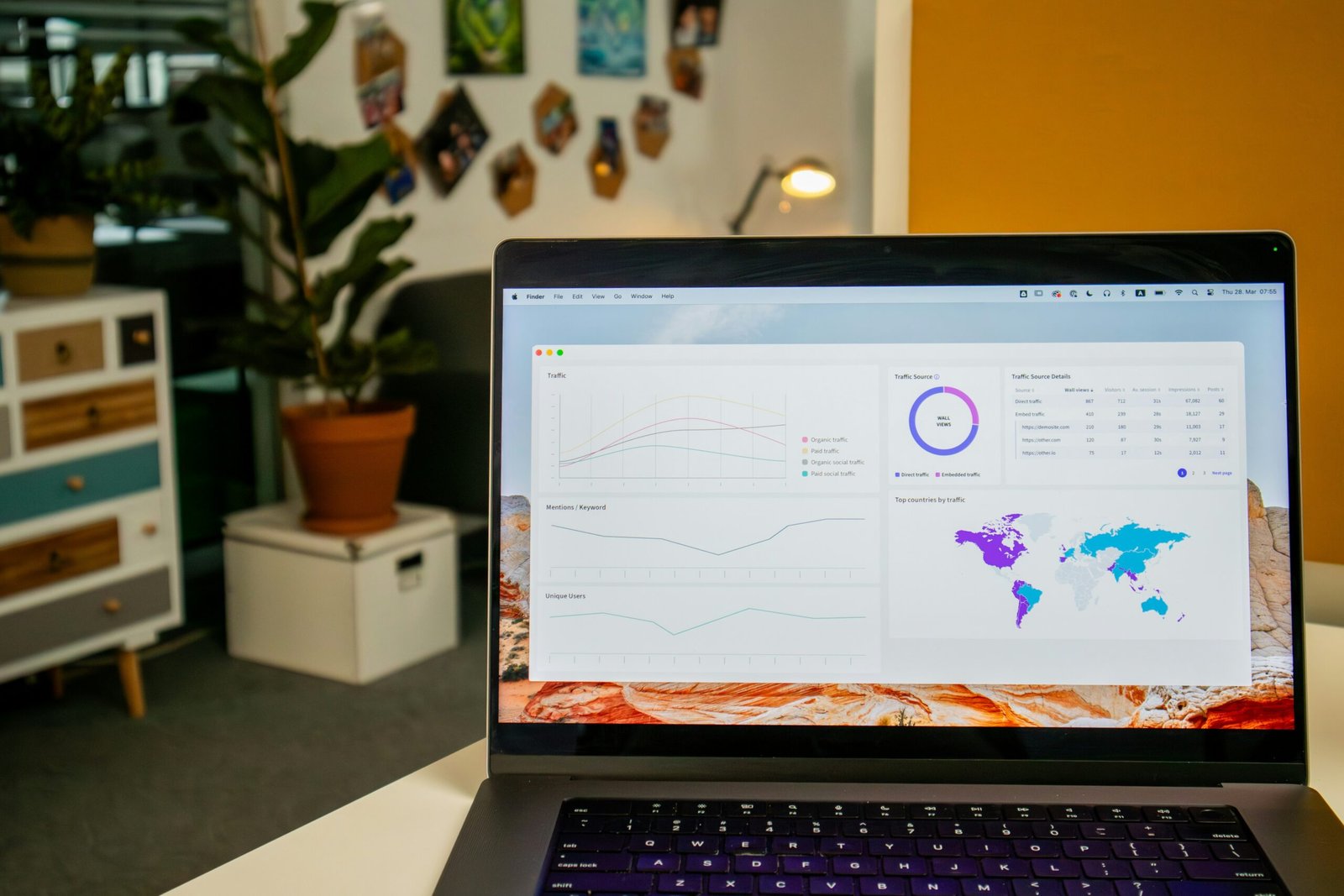
Local results vary by searcher location, device, query wording and time. One screenshot from a single ZIP code is not a reliable trend. Compare consistent search areas and queries across multiple dates, then review Google Business Profile performance and website organic data.
Check for operational or profile changes
Look for recent changes to the business name, primary category, address, hours, phone number or website URL. Confirm the profile is still verified and eligible. If ownership, location or service model has changed, review the relevant platform policies before attempting a fix.
Investigate the website and local relevance
Local visibility is connected to the quality and relevance of the linked website. Broken pages, indexing problems, changed canonical tags or deleted service content may reduce the usefulness of the landing experience. Review the technical SEO and content strategy behind the site rather than relying on profile edits alone.
Review the competitive landscape
- Did a legitimate competitor open closer to the searcher?
- Did established businesses gain stronger reviews or local mentions?
- Has your primary category or service focus changed?
- Are there seasonal changes in search demand?
- Do customers now use different high-intent phrases?
Record evidence before blaming an algorithm update. Competition and location differences can explain changes even when your own business details remain stable.
Prioritize fixes with the greatest business impact
Fix inaccurate profile information and broken service pages first. Then improve content that genuinely answers local customer questions, strengthen relevant internal links and build a trustworthy review process. Avoid broad batches of thin city pages or invented location claims.
For local service businesses, our local SEO guide for home services offers a connected framework for Maps, service pages and lead tracking.
Track recovery using leads as well as positions
Example: one map grid shows a steep decline
An HVAC company sees a grid-tracking tool change from mostly top-three results to mixed positions. Before changing the business name, the team checks whether the grid, query, date and location settings are comparable. It then reviews whether hours or categories changed, whether the website landing page is still accessible and whether customer calls declined. If lead quality and core local visibility remain steady, the grid may not justify a dramatic rewrite. A controlled diagnosis prevents accidental harm.
Frequently asked questions
Did a Google update cause my rankings to drop?
It is possible, but do not assume that without evidence. Profile edits, competitors, searcher location, seasonality and website issues can also explain changes.
How often should rankings be checked?
Use a consistent cadence and representative locations; combine ranking observations with profile interactions and qualified lead trends instead of acting on daily noise.
Compare calls, directions requests where relevant and qualified website enquiries across periods. A ranking decline for an informational term may matter less than lost visibility on a primary service query. DigiFly’s local SEO services can help organize a diagnosis before expensive changes are made.