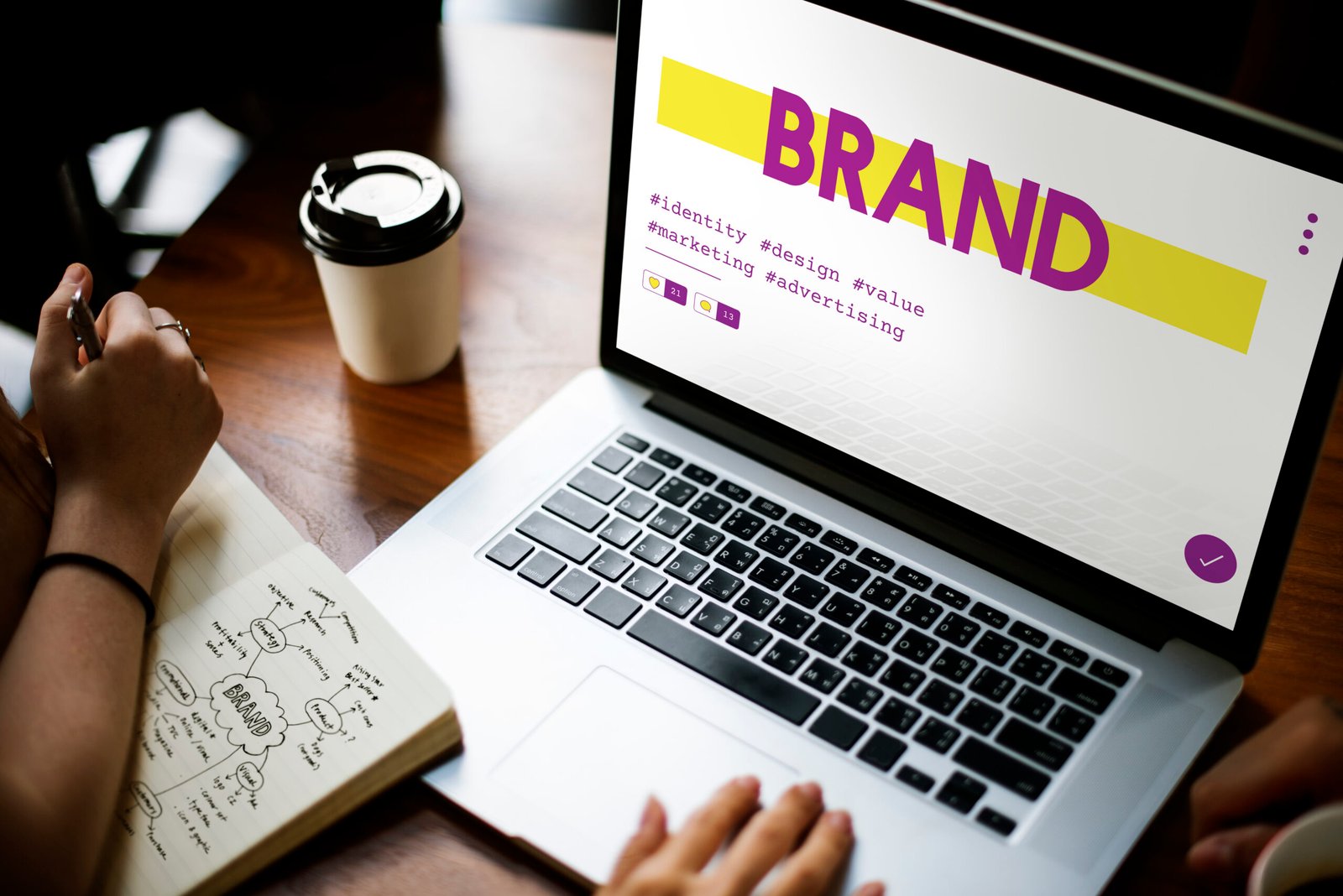


Professional branding for service businesses is not limited to a logo, colour palette or set of social-media graphics. It is the complete experience people receive when they discover your business, compare your services and decide whether to contact you.
For a law firm, clinic, consultant, home-service company or other service provider, the customer often has to trust the business before they can evaluate the service itself. Clear branding makes that decision easier by creating consistency between what you promise and what people see across your website, Google Business Profile, proposals, emails and follow-up.
What professional branding actually includes
A useful brand system connects visual identity with positioning and customer experience. The core elements normally include:
- A clear explanation of who the business helps and what problem it solves
- A consistent logo, colour system, typography and image style
- A recognizable tone of voice across website and marketing content
- Service messaging that is specific enough to support buying decisions
- A consistent experience from first search to enquiry and follow-up
The goal is not to look fashionable. The goal is to make the business easier to recognize, understand and trust.
Why branding matters more for service businesses
1. It builds trust before the first conversation
Prospects usually form an opinion before they call or submit a form. A professional website, consistent visual identity, useful content and accurate business information signal that the company is organized and takes its work seriously.
That first impression cannot prove service quality, but it can reduce uncertainty. It gives a potential customer enough confidence to continue reading, review a case study or start a conversation.
2. It makes the offer easier to understand
Many service-business websites use broad phrases such as “quality solutions” or “results-driven service.” These claims are difficult to remember because almost any competitor can make them. Strong positioning explains the audience, service, problem and value in plain language.
A visitor should be able to answer three questions quickly: Is this service relevant to me? Does this company understand my problem? What should I do next?
3. It improves website conversion paths
Branding and website performance are closely connected. A visually consistent site feels more credible, but structure and messaging do the heavier work. Each important service should have a clear page, supporting proof, relevant questions and a specific call to action.
A conversion-focused WordPress website turns the brand into a usable customer journey rather than a collection of attractive pages.
4. It strengthens consistency across local search
Customers may encounter a service business on Google Maps, a location page, a directory, social media or a referral partner’s website. Consistent business details, service descriptions, images and tone make those separate touchpoints feel connected.
This also supports the practical work involved in Local SEO and Google Business Profile optimization. Branding does not replace local SEO, but it helps the business present a clearer and more trustworthy identity wherever it appears.
5. It creates a better foundation for follow-up
The brand experience continues after a lead arrives. Confirmation emails, appointment reminders, proposals and CRM messages should feel like part of the same business. Inconsistent follow-up can make a professional website feel less credible.
Clear templates and lead follow-up systems help the team respond consistently without making every message sound robotic.
A practical branding checklist
Use this checklist to identify the most important gaps before planning a complete rebrand:
- Can a new visitor understand the primary service and target customer within a few seconds?
- Are the logo, colours, fonts and image style consistent across major touchpoints?
- Does every core service page explain the problem, approach and next step?
- Are reviews, case studies or other forms of proof easy to find?
- Do the website, Google Business Profile and directory listings use accurate business details?
- Do forms, confirmation messages and follow-up emails match the same tone?
- Does the mobile experience feel as clear and credible as desktop?
Do you need a full rebrand or a focused refinement?
A full rebrand makes sense when the business has changed direction, the name or positioning no longer fits, or the visual identity creates confusion. A focused refinement is often enough when the core identity is sound but the website, messaging or customer journey is inconsistent.
Start with the business problem, not the design deliverable. If visitors cannot understand the offer, clearer positioning and service-page content may matter more than a new logo. If leads arrive but follow-up is weak, the priority may be the process after the form.
Turn your brand into a connected digital experience
Professional branding is most valuable when it supports real customer decisions. The website, search presence, enquiry path and follow-up should all reinforce the same clear promise.
DigiFly helps service businesses connect those pieces through strategy, WordPress website design, SEO, lead systems and measurement. Contact DigiFly to discuss the strongest next step for your digital foundation.